Staying Hydrated in the Heat: Pharmacist-Approved Electrolyte Solutions
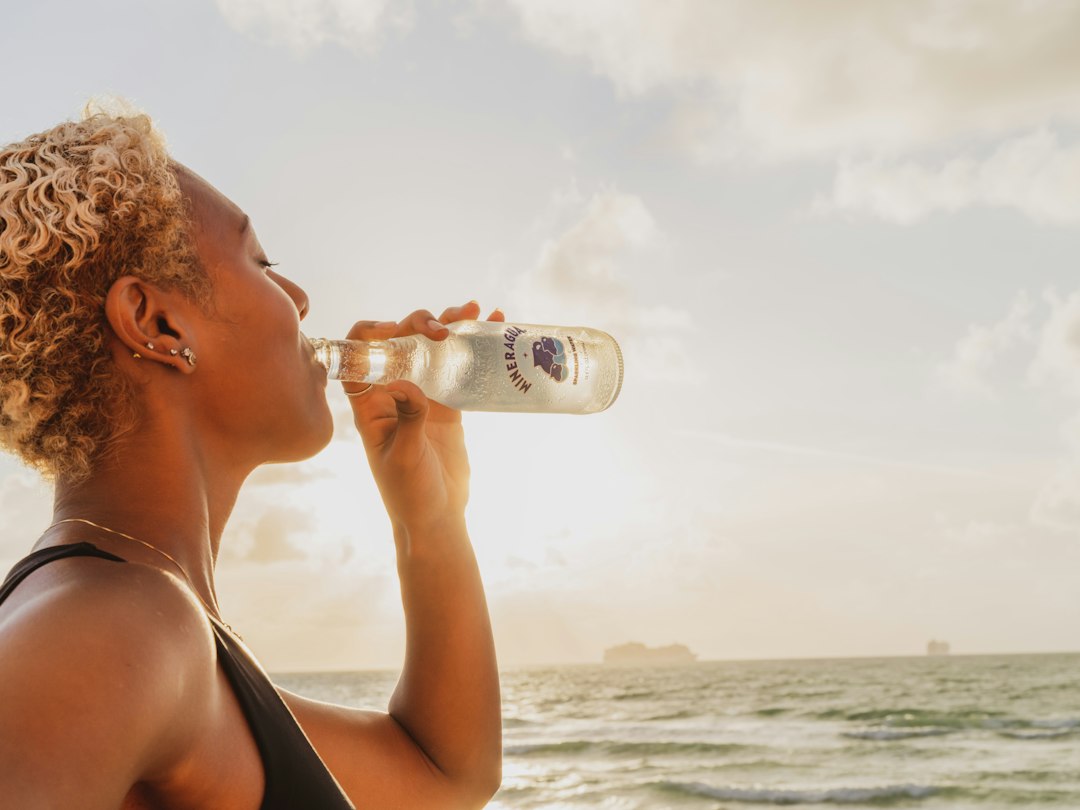
Living in Miami, we all know the intense joy of sunshine and warm weather. But as a pharmacist, I also see firsthand the less glamorous side of our beautiful climate: the relentless heat and humidity. For outdoor enthusiasts and athletes, especially those pushing their limits in our vibrant city, the risk of heat exhaustion isn't just a concern – it's a very real danger. That’s why understanding effective hydration, going beyond just plain water, is one of my top `miami hydration tips`.
Many people think drinking plenty of water is enough, but when you're sweating profusely, you're losing vital electrolytes, which water alone can't replenish. Overlooking this crucial detail can quickly lead to fatigue, muscle cramps, and even more serious conditions like heatstroke. My goal today is to share some pharmacist-approved insights into why electrolytes are so important and how you can stay optimally hydrated, even on the hottest Miami days.
The Hidden Danger of Miami's Humidity and the Need for Effective Hydration
Miami's unique blend of high temperatures and even higher humidity creates a perfect storm for dehydration. When the air is already saturated with moisture, your body's natural cooling mechanism – sweating – becomes much less effective. Sweat doesn't evaporate as readily, making it harder for your body to cool down, and you end up sweating even more, losing fluids and crucial minerals at an accelerated rate.
This isn't just about feeling thirsty. Prolonged exposure to these conditions without proper hydration can lead to a cascade of problems, from mild discomfort to severe medical emergencies. Your body's systems, from muscle function to nerve impulses, rely heavily on a delicate balance of electrolytes. Disturb that balance, and your performance, health, and safety are all compromised.
Understanding Electrolytes: More Than Just Water
So, what exactly are electrolytes, and why are they so critical? Simply put, electrolytes are minerals that carry an electric charge when dissolved in water. They are found in your blood, urine, tissues, and other body fluids, and they play a vital role in numerous bodily functions.
The main electrolytes include sodium, potassium, chloride, magnesium, and calcium. Each has specific jobs:
* **Sodium:** Crucial for fluid balance, nerve impulses, and muscle function.
* **Potassium:** Essential for heart function, muscle contractions, and maintaining fluid balance inside cells.
* **Chloride:** Works with sodium to maintain fluid balance and blood pressure.
* **Magnesium:** Involved in over 300 biochemical reactions, including muscle and nerve function, blood glucose control, and blood pressure regulation.
* **Calcium:** Best known for bone health, but also vital for muscle contraction, nerve signaling, and blood clotting.
When you sweat, you lose all of these, with sodium and chloride being the most significant losses. If you're only replenishing with plain water, you're diluting the remaining electrolytes in your body, which can exacerbate the imbalance and lead to issues like hyponatremia (low sodium levels), which can be dangerous.
Pharmacist Insights: Choosing the Right Electrolyte Solution
Given the challenges of our climate, selecting the right electrolyte solution is a key component of effective `33133 health and fitness` for anyone active outdoors. As a healthcare professional, I often provide `Coconut Grove pharmacy advice` on this very topic. Not all electrolyte drinks are created equal, and what works for one person might not be ideal for another.
When you're looking for an electrolyte product, whether it's a powder to mix with water, a tablet, or a ready-to-drink solution, here’s what I recommend considering:
1. **Electrolyte Profile:** Look for products that clearly list the amounts of sodium, potassium, magnesium, and chloride. A good balance is key. Products specifically designed for rehydration often have higher sodium content to help replenish losses from sweat.
2. **Sugar Content:** Many sports drinks are loaded with sugar, which can be unnecessary for general hydration and may even cause stomach upset during exercise. While some sugar can help with electrolyte absorption, especially during prolonged, intense activity, for moderate exercise or daily hydration, a lower sugar option is often preferable.
3. **Artificial Ingredients:** Be mindful of artificial sweeteners, colors, and flavors if you have sensitivities or prefer a more natural approach. There are many options available that use natural ingredients.
4. **Purpose:** Are you hydrating for a marathon, a casual walk on the beach, or just trying to beat daily heat? The intensity and duration of your activity will dictate the type and concentration of electrolytes you need. For everyday use, a milder solution might be sufficient, while intense workouts demand more robust replenishment.
Don't hesitate to ask your local pharmacist for personalized recommendations based on your activity level, health conditions, and dietary preferences. We're here to help you navigate the options.
Practical Miami Hydration Tips for Your Daily Routine
Beyond just choosing the right electrolyte drink, there are several general `miami hydration tips` that can make a huge difference in your overall well-being and performance in the heat:
* **Don't Wait Until You're Thirsty:** Thirst is a sign that you're already starting to dehydrate. Aim to drink fluids consistently throughout the day, not just during workouts.
* **Pre-Hydrate:** If you know you'll be active outdoors, start hydrating with water and an electrolyte solution an hour or two before you begin.
* **Hydrate During Activity:** For activities lasting longer than an hour, or in very hot and humid conditions, sip on an electrolyte solution regularly.
* **Post-Hydrate:** After your activity, continue to replenish fluids and electrolytes to aid recovery.
* **Monitor Your Urine:** A light yellow color is generally a good indicator of proper hydration. Darker urine suggests you need more fluids.
* **Wear Appropriate Clothing:** Light-colored, loose-fitting, moisture-wicking clothing can help your body regulate temperature more effectively.
* **Avoid Peak Sun Hours:** If possible, schedule your outdoor activities for early mornings or late evenings when the sun's intensity is lower.
* **Listen to Your Body:** Pay attention to signs of dehydration or heat stress like dizziness, headache, excessive fatigue, or muscle cramps. If you experience these, stop your activity, seek shade, and rehydrate immediately.
People Also Asked About Hydration in the Heat
How much water should I drink daily in Miami's heat?
While the general recommendation is often eight glasses, in Miami's heat, your needs can be significantly higher. A good rule of thumb is to drink enough so that you rarely feel thirsty and your urine is a pale yellow. For every hour of moderate activity, you might need an additional 12-16 ounces of fluid. It's more about consistent sipping than guzzling large amounts at once.
Are sports drinks always the best option for electrolyte replenishment?
Not necessarily. While convenient, many traditional sports drinks contain high amounts of sugar and artificial ingredients that might not be suitable for everyone or for all types of activity. For less intense exercise or daily hydration, consider lower-sugar electrolyte powders or tablets, or even naturally electrolyte-rich foods like coconut water, fruits, and vegetables.
Can I make my own electrolyte drink at home?
Yes, you can! A simple homemade solution can include water, a pinch of salt (for sodium and chloride), a squeeze of fresh fruit juice (for potassium and flavor), and a tiny bit of honey or maple syrup if you need some quick energy. Be mindful of the proportions to ensure effectiveness, especially if you're active.
What are the early signs of heat exhaustion, and when should I be concerned?
Early signs of heat exhaustion include heavy sweating, cold, pale, and clammy skin, fast weak pulse, nausea or vomiting, muscle cramps, tiredness, dizziness, and headache. If these symptoms appear, move to a cool place, loosen clothing, sip water or an electrolyte drink, and apply cool, wet cloths. If symptoms worsen, or if you experience confusion, high body temperature (103°F or higher), hot, red, dry or damp skin, a strong rapid pulse, or unconsciousness, seek immediate medical attention as these are signs of heatstroke, a medical emergency.
Is it possible to over-hydrate with electrolytes?
While rare, excessive intake of electrolytes, particularly sodium, can occur, especially if you're consuming highly concentrated solutions without sufficient water. This can lead to electrolyte imbalances, putting a strain on your kidneys. It's best to follow product instructions and consult a healthcare professional, especially if you have underlying health conditions.
Stay Safe, Stay Hydrated
Navigating Miami's heat requires a proactive approach to hydration, especially if you're committed to `33133 health and fitness` and an active lifestyle. Understanding the role of electrolytes and choosing the right solutions can make all the difference in preventing heat-related illnesses and maintaining peak performance.
Don't let dehydration cut your outdoor adventures short or put your health at risk. For more personalized `Coconut Grove pharmacy advice` or to discuss the best electrolyte options for your needs, please don't hesitate to visit us. We’re always here to help you stay healthy, safe, and optimally hydrated under the Miami sun.
